

The Benefits of Remote Land Development Benefits
When I first explored the idea of remote land development, I was curious about how it could transform the way we approach building projects. Over time, I discovered that remote land development offers a range of advantages that make it a smart choice for anyone involved in property development. Whether you own land, manage properties, or are involved in construction, understanding these benefits can help you make better decisions and streamline your projects.
Why Remote Land Development Benefits Matter
Remote land development benefits are more than just buzzwords. They represent real improvements in efficiency, cost savings, and project management. One of the biggest advantages is the ability to work on land projects without being physically present on-site all the time. This flexibility opens up new possibilities for managing multiple projects across different locations.
For example, imagine you own several plots of land in different states. Traditionally, you would need to visit each site frequently to oversee development. With remote land development, you can monitor progress, coordinate with contractors, and make decisions from anywhere. This saves time and travel expenses, allowing you to focus on other important tasks.
Another key benefit is access to specialized expertise. Remote land development services connect you with professionals who have the right skills and experience, regardless of their location. This means you can tap into a wider talent pool and get expert advice tailored to your specific project needs.
How Remote Land Development Benefits Save Time and Money
Time is money, especially in land development. Remote land development benefits include faster project turnaround and reduced overhead costs. By leveraging technology and remote collaboration tools, you can speed up communication and decision-making.
For instance, using drones and satellite imagery, you can get detailed views of your land without stepping foot on it. This allows for quicker site assessments and planning. Additionally, digital project management platforms help keep everyone on the same page, reducing delays caused by miscommunication.
Cost savings come from cutting down on travel, lodging, and on-site staffing. You can allocate your budget more efficiently by investing in quality planning and design rather than unnecessary site visits. This approach also minimizes the risk of costly mistakes since you have better oversight and control.
Practical Examples of Remote Land Development Benefits
To make this more concrete, let me share some practical examples of how remote land development benefits play out in real projects:
Land Surveying: Instead of sending surveyors to the site repeatedly, remote sensing technology provides accurate data quickly. This speeds up the initial stages of development.
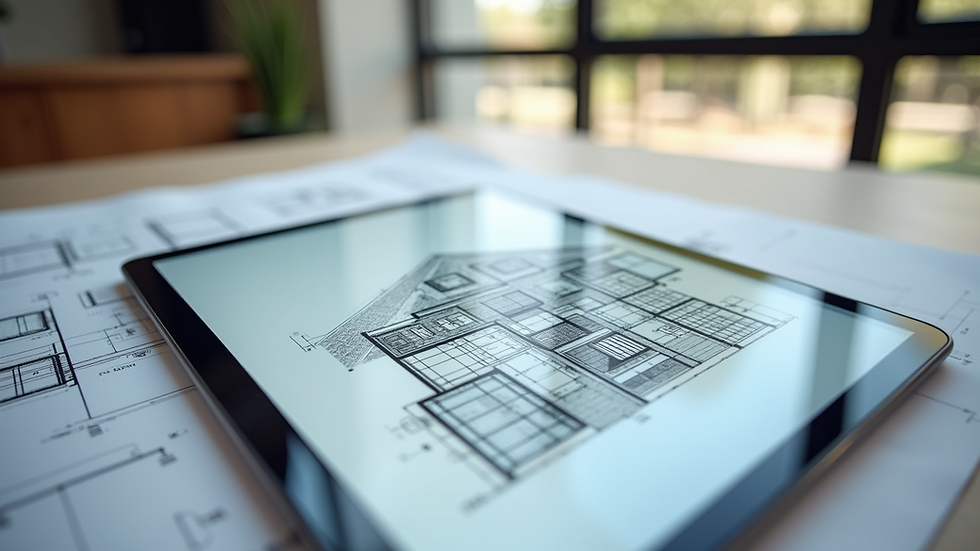
Design and Planning: Architects and engineers can collaborate remotely using 3D modeling software. This allows for real-time adjustments and faster approvals.
Project Monitoring: Remote cameras and sensors track construction progress, alerting you to any issues immediately. This proactive approach prevents delays.
Environmental Impact Analysis: Remote data collection helps assess environmental factors without disturbing the site, ensuring compliance with regulations.
These examples show how remote land development benefits improve every phase of the project, from start to finish.

Leveraging Technology for Remote Land Development Benefits
Technology is at the heart of remote land development benefits. Tools like Geographic Information Systems (GIS), drones, and cloud-based project management software make it possible to manage land development efficiently from a distance.
GIS technology helps analyze land features, zoning restrictions, and environmental conditions. This data is crucial for making informed decisions and avoiding costly surprises. Drones provide aerial views and detailed imagery that enhance site inspections and progress tracking.
Cloud platforms enable seamless communication between all stakeholders. You can share plans, documents, and updates instantly, keeping everyone aligned. This transparency reduces errors and builds trust among team members.
If you want to explore professional options, consider remote land development services that specialize in integrating these technologies to deliver faster, more reliable results.

Making the Most of Remote Land Development Benefits
To fully benefit from remote land development, it’s important to adopt best practices:
Choose the Right Tools: Invest in reliable technology that fits your project size and complexity.
Establish Clear Communication: Set up regular check-ins and use collaborative platforms to keep everyone informed.
Hire Experienced Professionals: Work with experts who understand remote workflows and can guide you through the process.
Plan Thoroughly: Use remote data to create detailed plans that anticipate challenges before they arise.
Monitor Continuously: Use remote monitoring tools to track progress and address issues promptly.
By following these steps, you can maximize the efficiency and effectiveness of your land development projects.
Embracing the Future of Land Development
Remote land development benefits are reshaping how we build and manage properties. This approach offers flexibility, cost savings, and access to expertise that traditional methods can’t match. As technology continues to evolve, the potential for remote land development will only grow.
For anyone involved in land projects, embracing these benefits means staying ahead of the curve. It means delivering projects faster, staying within budget, and achieving better outcomes. With the right mindset and tools, remote land development can transform your approach to property development.
If you want to learn more about how to integrate these benefits into your projects, exploring professional remote land development services is a great place to start. They can help you navigate the complexities and unlock the full potential of remote land development.
Remote land development is not just a trend - it’s a powerful strategy that delivers real value. By understanding and applying these benefits, you can take your land projects to the next level. Whether you’re managing a single property or multiple sites, remote land development offers a smarter, more efficient way to succeed.

Comments