

Discover Comprehensive Architectural Solutions
When it comes to building projects, having the right architectural design solutions can make all the difference. From the initial concept to the final blueprint, every step requires precision, creativity, and efficiency. I’ve seen firsthand how comprehensive architectural design solutions streamline the process, reduce costs, and ensure projects stay on schedule. Understanding these solutions is key to success.
Why Architectural Design Solutions Matter
Architectural design solutions are more than just drawings and plans. They are the foundation of every successful building project. These solutions address everything from space utilization and structural integrity to aesthetics and sustainability. When done right, they help avoid costly mistakes and delays.
For example, a well-thought-out design can optimize natural light, reduce energy consumption, and improve occupant comfort. It also ensures compliance with local building codes and zoning laws, which can be complex and vary widely. This is why partnering with experts who provide comprehensive architectural design solutions is essential.
By integrating technology like 3D modeling and Building Information Modeling (BIM), architects can visualize projects in detail before construction begins. This reduces surprises and allows for better collaboration among all stakeholders.

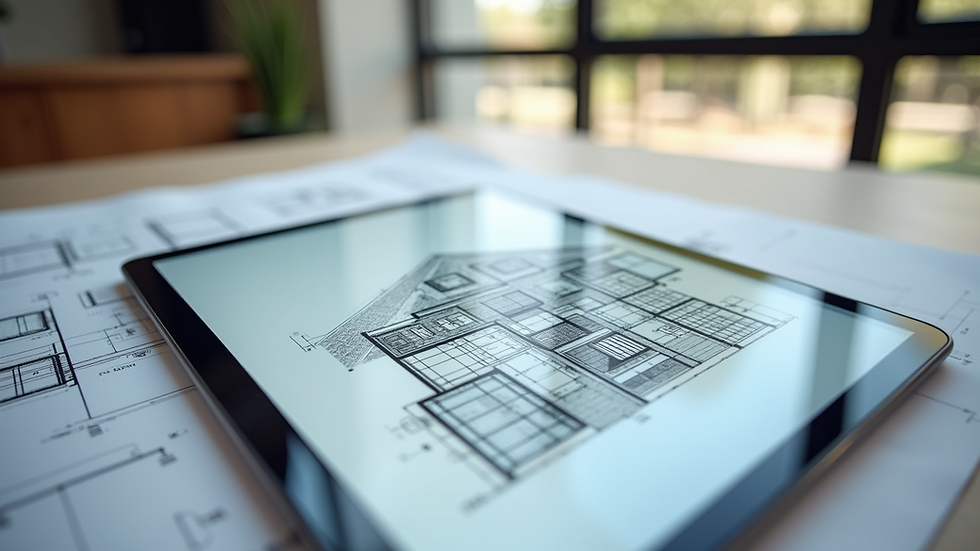
Detailed architectural plans help visualize the project before construction.
Exploring Architectural Design Solutions in Depth
Architectural design solutions cover a broad spectrum of services. Here’s a breakdown of the key components that make these solutions comprehensive and effective:
1. Conceptual Design and Planning
This is where ideas take shape. Architects work closely with clients to understand their vision, needs, and budget. They create initial sketches and concepts that outline the project’s scope and style. This phase sets the tone for everything that follows.
2. Detailed Design and Documentation
Once the concept is approved, detailed drawings and specifications are developed. These include floor plans, elevations, sections, and construction details. Accurate documentation ensures contractors know exactly what to build and how.
3. Regulatory Compliance and Permitting
Navigating building codes, zoning regulations, and permit requirements can be daunting. Comprehensive architectural design solutions include managing these aspects to avoid legal issues and project delays.
4. Sustainable and Energy-Efficient Design
Incorporating green building practices is no longer optional. Solutions that focus on sustainability help reduce environmental impact and operating costs. This includes using energy-efficient materials, optimizing insulation, and integrating renewable energy sources.
5. Construction Administration and Support
Architects don’t just hand over plans and disappear. They often provide ongoing support during construction, answering questions, reviewing progress, and ensuring the design intent is maintained.
By covering all these areas, architectural design solutions provide a seamless experience from start to finish.

Architects provide ongoing support to ensure design intent during construction.
How to Choose the Right Architectural Design Solutions Provider
Selecting the right partner for architectural design solutions is critical. Here are some practical tips to help you make the best choice:
Experience and Expertise: Look for firms with a proven track record in your project type. Whether it’s commercial, residential, or mixed-use, relevant experience matters.
Speed and Efficiency: Time is money. Choose a provider known for delivering high-quality plans quickly to keep your project on schedule.
Communication and Collaboration: Effective communication ensures your vision is understood and executed. The best firms work closely with clients and contractors.
Technology Use: Providers who leverage the latest design software and tools can offer more accurate and flexible solutions.
Sustainability Focus: If green building is important to you, find a firm that prioritizes energy-efficient and sustainable design.
Comprehensive Services: A one-stop solution that covers everything from concept to construction support simplifies management and reduces risks.
For example, I recommend exploring architectural services that combine speed, quality, and comprehensive support. This approach helps keep projects on track and within budget.
Practical Benefits of Comprehensive Architectural Design Solutions
Investing in comprehensive architectural design solutions offers tangible benefits that impact every stage of your project:
Reduced Costs: Accurate plans minimize costly changes during construction.
Faster Approvals: Proper documentation and compliance speed up permitting.
Improved Quality: Detailed designs ensure better craftsmanship and fewer errors.
Enhanced Collaboration: Clear plans improve communication among all parties.
Sustainability Gains: Energy-efficient designs lower long-term operating expenses.
Risk Mitigation: Thorough planning reduces the chance of legal or structural issues.
For instance, a builder I worked with recently saved weeks on their timeline by using a firm that provided fast, detailed architectural design solutions. This allowed them to start construction earlier and avoid budget overruns.
Embracing the Future of Architectural Design Solutions
The field of architecture is evolving rapidly. New technologies and trends are shaping how we approach design and construction. Here are some exciting developments to watch:
Virtual Reality (VR) and Augmented Reality (AR): These tools allow clients and contractors to experience designs in immersive 3D before building begins.
Modular and Prefabricated Construction: Designs that accommodate off-site construction can speed up timelines and reduce waste.
Smart Building Integration: Incorporating IoT devices and smart systems into designs enhances building performance and user experience.
Advanced Materials: Innovations in sustainable and durable materials improve building longevity and environmental impact.
Staying informed about these trends and choosing architectural design solutions that embrace innovation will keep your projects competitive and future-proof.
Conclusion: The Importance of Architectural Design Solutions
By understanding and leveraging comprehensive architectural design solutions, you can ensure your building projects run smoothly, stay on budget, and meet high standards of quality. Investing in the right architectural partner is a smart move that pays off in the long run. Whether you are managing properties, developing land, or overseeing construction, the right solutions will make a significant difference.
In summary, the right architectural design solutions can transform your project. They streamline processes, enhance collaboration, and ensure compliance. As I’ve experienced, these solutions are not just beneficial; they are essential for success.

Comments